Why Keys Snap — and Why the Fragment Location Matters
Keys are precision-cut pieces of metal that endure thousands of cycles of insertion, rotation, and withdrawal over their lifespan. Brass blanks — the most common material — gradually develop micro-fractures at the bow (the part you grip) or along the blade near a deep cut. When the lock itself is worn, dirty, or misaligned, the torque required to turn it spikes, and a key that was already weakened gives way. Cold Pacific Northwest winters can stiffen lock mechanisms enough to cause a break even on a relatively new key. The result is a fragment that may sit flush with the keyway entrance, partially protruding, or buried deep inside a mortise lock or ignition cylinder — and each scenario calls for a different extraction approach.
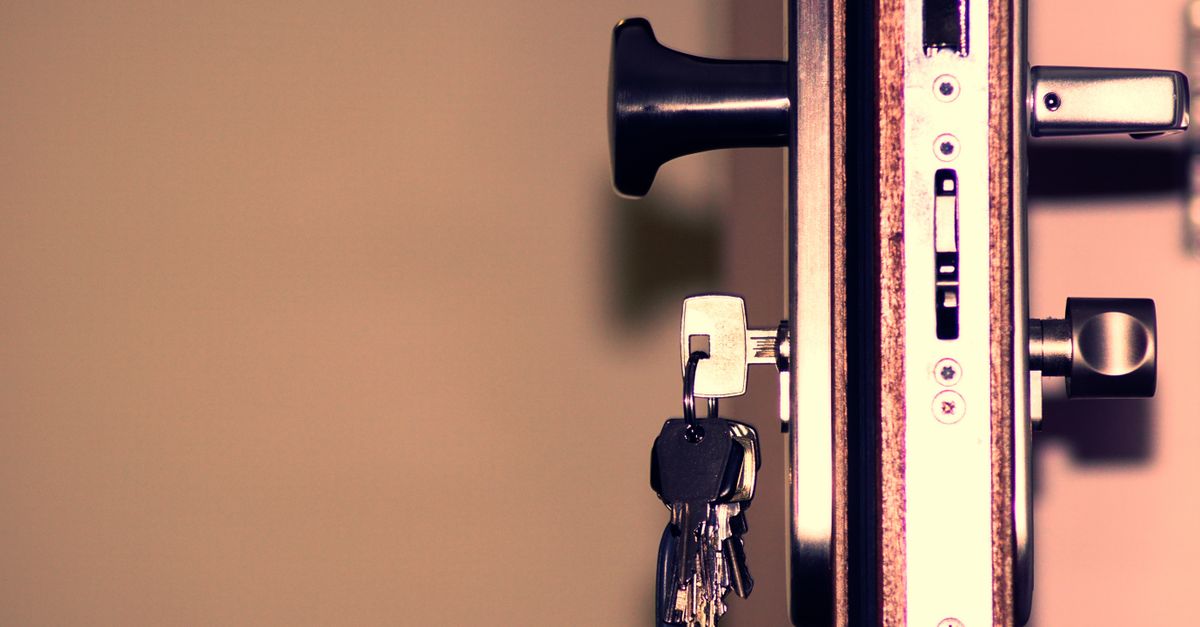
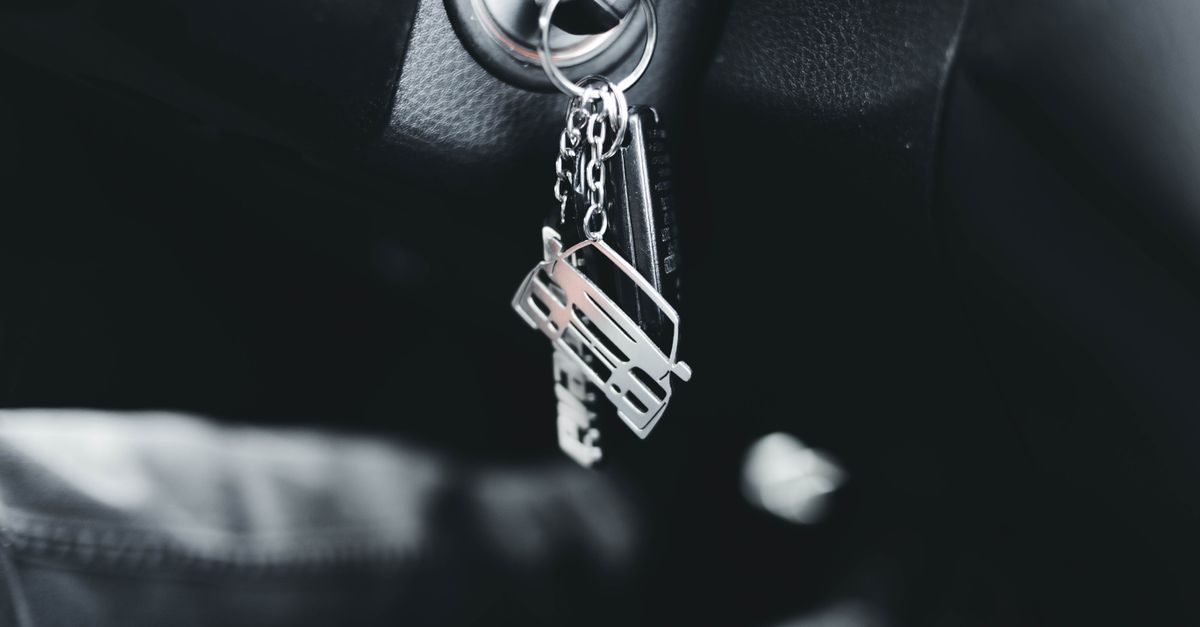
The depth and orientation of the fragment inside a mortise lock body versus a standard pin-tumbler door knob lock determines which extraction tool is appropriate. A mortise lock — the rectangular, multi-component mechanism common in older commercial buildings and historic homes throughout downtown Vancouver — has a longer keyway channel, which can push a fragment deeper during a failed DIY removal attempt. Ignition cylinders present their own challenge: the cylinder rotates under spring tension, and a broken key lodged at an angle can jam the wafer stack. This is why our technicians assess fragment position before selecting a tool, rather than applying a one-size-fits-all approach.